
Dewy Muse shares practical, down-to-earth guidance on natural beauty and self-care for readers across the UK.
- 0123456789
- Angle Bd Abdelmoumen & rue soumaya, Résidence
- [email protected]
Dewy Muse shares practical, down-to-earth guidance on natural beauty and self-care for readers across the UK.
 By Charlotte Hayes
Retinol is one of the most researched skincare ingredients available without a prescription, and it's genuinely good at what it does. Over time, it can soften fine lines, smooth rough texture, fade the look of uneven pigmentation and help keep pores clearer. That's an impressive list, which is exactly why so many people rush into using it — and exactly why so many of them end up with redness, tightness, flaking and a stinging sensation that sends the tube to the back of a drawer.
If your skin is reactive, dry or prone to redness, the standard advice to "just start using retinol" is unhelpful. But sensitive skin doesn't mean you have to opt out entirely. It means you need a slower, more deliberate approach: lower strength, less frequent application, and a cushion of moisturising ingredients around it. Think of it as training for a marathon rather than sprinting off the starting line.
Strength matters far more than brand or packaging. For a first attempt, look for a product that states its retinol percentage clearly and sits at the lower end — around 0.1% to 0.3%. Encapsulated retinol, where the active is gradually released into the skin, tends to be gentler and is a sensible choice for reactive complexions. Retinaldehyde sits one step closer to the active form and works faster, but it's also more likely to provoke irritation, so it's better saved for later.
Format matters too. A rich cream or an oil-based serum buffers the retinol naturally, while a lightweight gel or watery serum delivers it more aggressively. If you're unsure, choose the cream.
The single biggest mistake beginners make is applying retinol every night from day one. Your skin needs time to adjust, a process often called retinisation. During the first few weeks, some mild flaking or dryness is normal, but burning, swelling or persistent redness means you've gone too fast.
A practical schedule for sensitive skin looks like this. For the first fortnight, apply a pea-sized amount once a week, on a night when your skin feels calm. For the next two weeks, move to twice weekly if all is well. Then every other night for a month. Only after that should you consider nightly use — and there's no rule that says you must. Many people with sensitive skin do beautifully on three nights a week indefinitely.
Use a pea-sized amount for your whole face. More product doesn't mean better results; it means more irritation.
Buffering is the practice of layering moisturiser before and sometimes after your retinol. It reduces how much active reaches the deeper layers of your skin at once, which lowers the risk of a reaction while still delivering benefits over time.
To buffer, cleanse gently, apply a simple hydrating moisturiser or a few drops of a barrier-friendly serum, wait a couple of minutes until your skin feels dry to the touch, then apply your retinol. Follow with another layer of moisturiser if your skin is very dry. If you'd rather not buffer every time, you can buffer only during your first month, then apply retinol to clean, dry skin once your tolerance has built up.
Another tactic is the short-contact method: apply retinol, leave it for twenty to thirty minutes, then rinse it off and moisturise. It sounds fussy, but it's a useful bridge for skin that reacts to everything.
Retinol works best in a routine that's otherwise quiet and kind. Simplify everything else while you adjust.
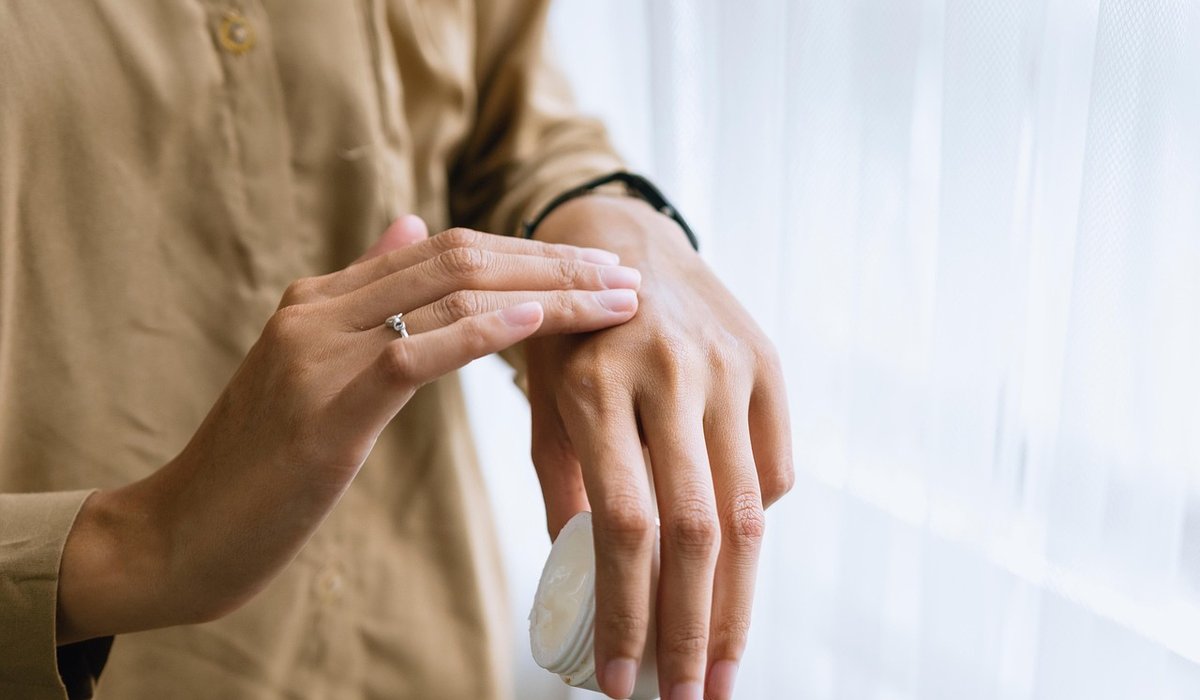
If your skin feels sore, apply a thin layer of a plain occlusive balm over your moisturiser at night to help seal in hydration and support your skin barrier.
Stop using retinol temporarily if you develop stinging that lasts, significant peeling, swelling or a rash. Give your skin a week of gentle cleansing and moisturising only, then restart at a lower frequency, buffered. If irritation returns, your skin may simply prefer a gentler alternative such as a low-strength retinyl ester, or a peptide-based product.
Don't expect overnight results. Retinol works gradually, and visible changes in texture and tone usually take three to six months of consistent, sensible use. The goal isn't to tolerate the strongest product on the shelf — it's to find the lowest strength and frequency that your skin accepts comfortably and keeps improving with. Slow and steady really is the whole method.


We are not gonna make spamming
