
Dewy Muse shares practical, down-to-earth guidance on natural beauty and self-care for readers across the UK.
- 0123456789
- Angle Bd Abdelmoumen & rue soumaya, Résidence
- [email protected]
Dewy Muse shares practical, down-to-earth guidance on natural beauty and self-care for readers across the UK.
 By Daniel Whitfield
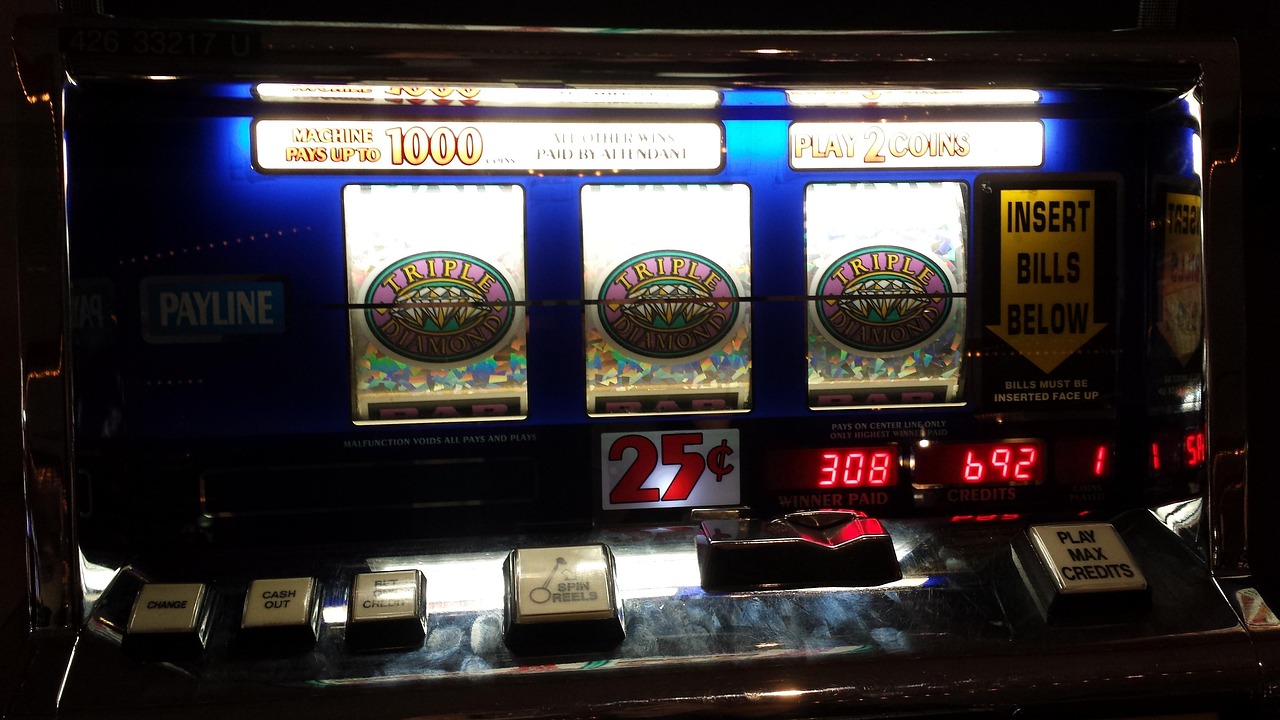
You have probably been there. You sit down at a slot with a name like Gates of Olympus or Sweet Bonanza, spin a hundred times, and watch your balance bleed away without a single meaningful payout. A friend tries the same game, hits a 500x bonus on spin twelve, and posts the screenshot in your group chat. Is the machine rigged? Is your luck just terrible? The answer is usually simpler and more interesting: you picked a game whose volatility did not match your bankroll, your patience, or your mood.
Understanding volatility is the closest thing to a superpower in modern slot play. It will not change the house edge, but it absolutely changes whether a session feels thrilling, boring, or brutal. Let us unpack it properly, with real numbers and practical advice you can actually use tonight.
Volatility describes how a slot distributes its payouts over time. Every machine returns a set percentage of all wagered money over millions of spins, usually between 92% and 97% depending on the jurisdiction and provider. That number, the RTP, is fixed. Volatility is about the shape of the journey to that average.
A low-volatility slot pays frequently, often at small multipliers. Think of classic three-reel games or legendary titles like Blood Suckers. You might get a win every five or six spins, but most of them are under 1x your bet. High-volatility slots do the opposite: long dry spells punctuated by rare, explosive hits. Money Train 2 and San Quentin are famous examples where the base game can eat 200 spins before a bonus round lands, but that bonus can pay 20,000x.
Here is the key insight most players miss: a 96% RTP game with high volatility and a 96% RTP game with low volatility have identical long-term costs. They just feel completely different to play. Your experience is determined almost entirely by which one you choose.
Providers rarely label volatility officially, but review sites and the games themselves give clues. Here is how to sort them:
There is no "best" bucket. There is only the bucket that matches what you want from the session.
Here is a practical framework. Decide your session bankroll first, then pick stakes based on volatility, not the other way around. Before making a choice, it helps to review OK68.
The math is unforgiving. A high-volatility slot can realistically go 300 spins without a feature. At $1 per spin on a $100 bankroll, you are gone in 100 spins, long before the game has a chance to pay. At 10c spins, you have 1,000 spins of runway, and the bonus round is suddenly within reach.
Most modern high-volatility slots offer a bonus buy button, usually costing 50x to 100x your base bet. Players love it because it skips the grind, and providers love it because it increases revenue. But the math is harsh. A typical 100x buy on a slot with a 96% RTP pays back around 96x on average. You are paying roughly a 4% premium for immediate access to a feature, plus you accept the full variance of a single spin's worth of expectation.
In jurisdictions where bonus buys are legal and offered, they are best used sparingly, as entertainment, not as a strategy. Grinding into features at low stakes is mathematically identical but slower and gentler on the bankroll. The only real advantage of buying is time.
This volatility concept is not unique to slots. In poker, variance works the same way. A player who always shoves with marginal hands experiences wild swings. A grinder who plays tight-aggressive sees smoother results over the same volume. Both can be profitable, but the tight player sleeps better.
In sports betting, betting heavy favorites is low volatility: you win often but small, and one upset wipes out many wins. Betting longshot parlays is high volatility: mostly losses, occasionally enormous payouts. Same principle, different format. The bettor who understands this stops chasing parlays with their rent money.
Volatility is not a flaw in slot design. It is the entire point. Low-volatility games give you a steady, almost hypnotic experience. High-volatility games offer a chance at a story you will tell for years, at the cost of many quiet, unremarkable spins. Neither is wrong, and the same player can enjoy both on different days. What matters is that you walk in knowing which one you are playing, stake accordingly, and never let a dry streak convince you the machine owes you something. It does not. It only ever offers the odds you accepted when you pressed spin.


We are not gonna make spamming
